Google AI Edge Gallery now supports the Model Context Protocol (MCP), enables local notifications, and provides persistent chat history, allowing developers to build and test intelligent, connected AI agents on mobile devices.
Google’s Tensor ML SDK launches as beta with LiteRT integration, giving developers a unified workflow for model conversion and deployment on Pixel devices plus access to over 100 specialized ML models optimized for Google’s TPU hardware.
OpenAI is expanding its AI presence in Singapore through a multi-year partnership, focusing on local infrastructure, workforce development, and organizational AI integration—a strategy with relevance for European markets with stringent data protection requirements.
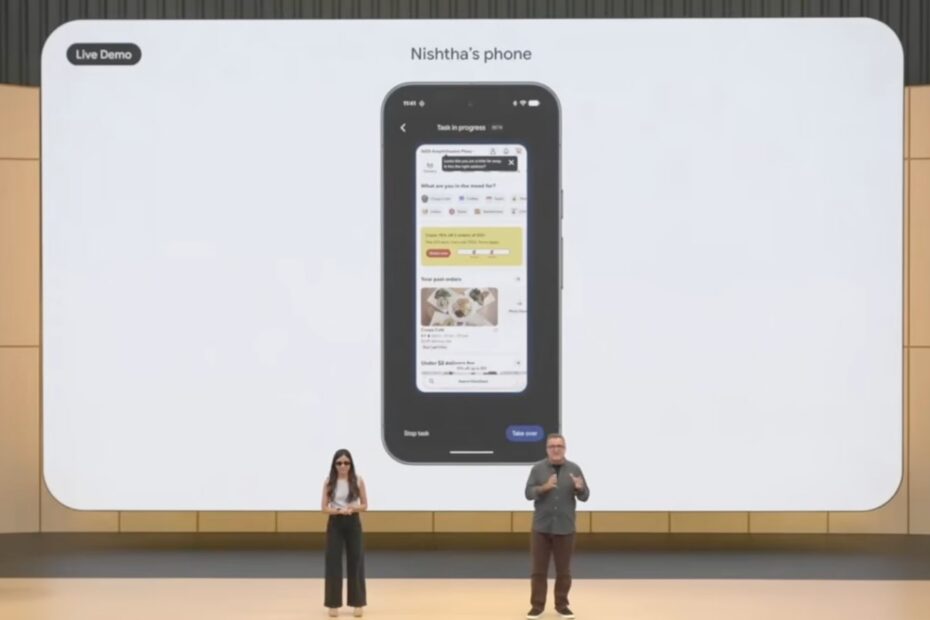
Google launched Gemini 3.5 Flash immediately at I/O 2026 and introduced the new Omni model family for video processing, demonstrating technological leadership in AI through advanced agent capabilities via Antigravity 2.0 and processing 3.2 quadrillion tokens monthly.
Cloud adoption has transformed how enterprises develop, deploy, and scale technologies, expanding the attack surface and requiring security architectures that go beyond traditional perimeter-based models.
Google launches Gemini 3.5 Flash with immediate general availability, but integrates it into many free products—despite drastic price increases that make the model three times more expensive than its predecessor.
Java offers the best runtime support for ZIP and XML, but TypeScript with Bun as a single executable was preferred due to future prospects and deployment flexibility.
Berlin administrative court rules that the Foreign Ministry must publish SMS messages from former Foreign Minister Annalena Baerbock, establishing that business text messages qualify as official records.
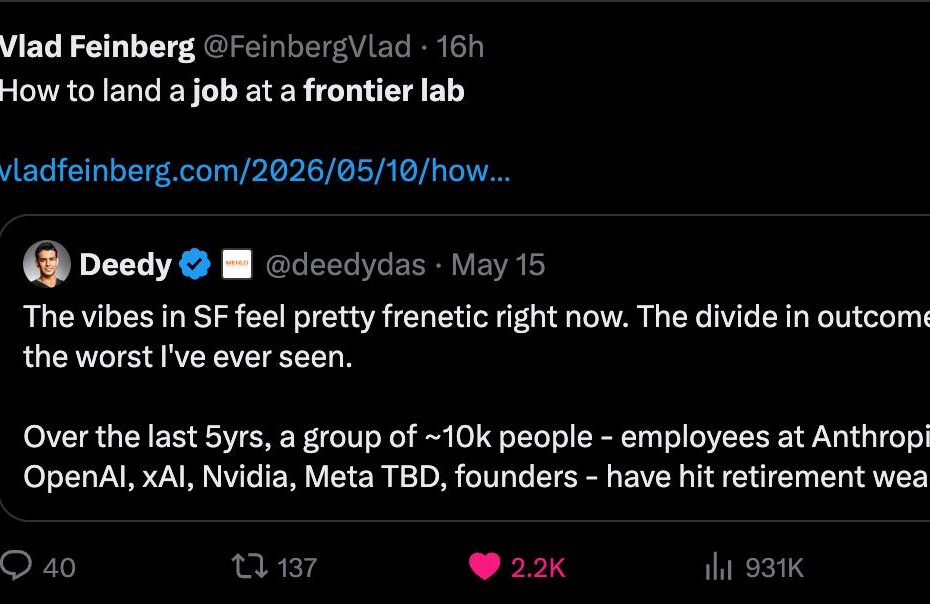
Vlad Feinberg outlines a practical career path in AI labs with a focus on kernel optimization and pretraining, emphasizing that the key skills—kernel-level performance tuning and translating abstract concepts into practical implementations—are learnable and immediately deployable.
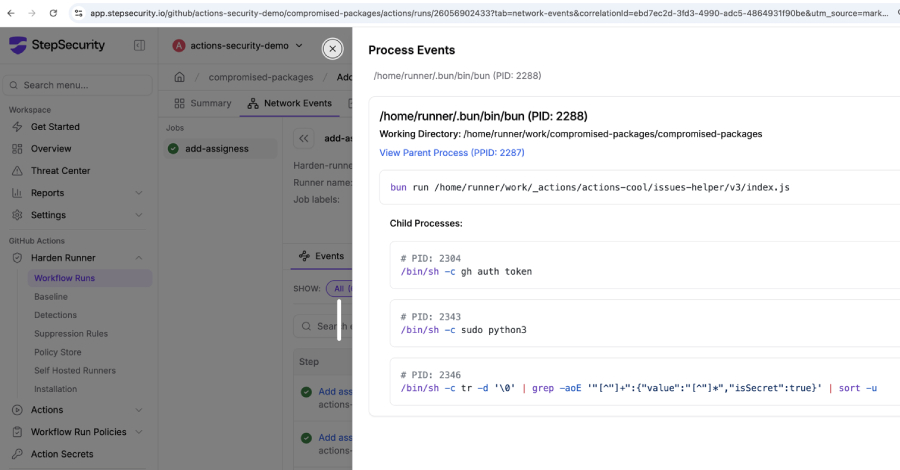
Popular GitHub Actions have been hacked and redirected to malicious code versions; the malware steals CI/CD login credentials and sends them to attackers, seemingly connected to the Mini-Shai-Hulud campaign targeting npm packages.
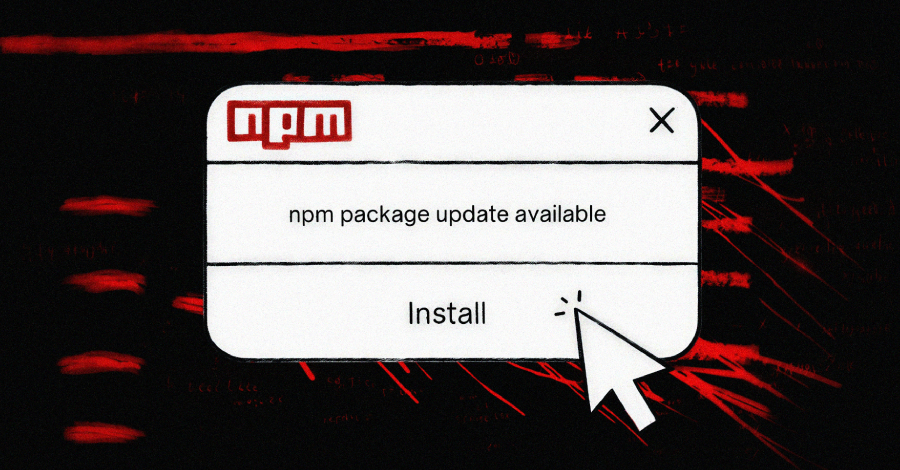
Attackers published 639 malicious versions across 323 packages (279 from the @antv namespace) and exfiltrated credentials for AWS, Google Cloud, Azure, GitHub, and Docker access.